Horse Lightbox: A Layered Paper Art Project Guide
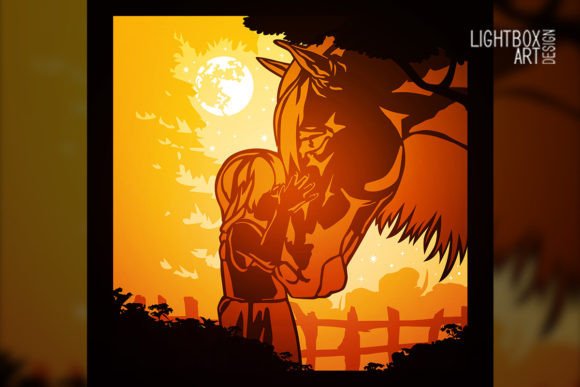
There is a distinct magic in watching a flat stack of paper transform into a glowing, three-dimensional scene. The Horse Lightbox represents this intersection of traditional papercraft and modern digital fabrication, offering a tangible way to bring equestrian art to life through light and shadow. Unlike a standard print or painting, this project relies on depth perception created by six distinct layers, each meticulously cut and spaced to create a silhouette effect when backlit. For anyone interested in layered paper art, understanding the specific requirements and versatile applications of this design is the first step toward creating a professional-quality shadow box.
Understanding the Digital Asset Package
Before cutting begins, it is essential to understand what makes this specific Horse Lightbox template functional across different skill levels and equipment setups. The digital download is not merely an image; it is a comprehensive production kit contained within a ZIP file. This archive includes SVG files for electronic cutting machines like Cricut or Silhouette, DXF files for laser cutters, and AI and CDR files for those who wish to modify the vector paths in Adobe Illustrator or CorelDRAW. For users without vector software or cutting machines, high-resolution JPG and PDF files are included for manual printing and cutting.
Crucially, the package contains a Tutorial Instruction.txt file. This document serves as the assembly roadmap, detailing the spacing and alignment necessary for the 6-layer design. Each layer measures exactly 8×8 inches (21×21 cm), a standard size that fits readily available shadow box frames. This standardized sizing reduces waste and simplifies the sourcing of materials, whether you are making a single prototype or a batch for sale.
Perspectives for Hobbyists and Beginners
For those new to paper crafting or lightbox assembly, the primary priority is often ease of use and learning value. The Horse Lightbox serves as an excellent educational tool because it teaches fundamental concepts of positive and negative space without requiring advanced artistic drawing skills. Beginners typically benefit most from the PDF and JPG files, printing them directly onto cardstock and using an art knife to hand-cut the layers. This manual approach, while slower, builds muscle memory and a deeper appreciation for the structural integrity of each layer.
The learning curve here involves material selection. Using paper between 200 and 250 gsm is non-negotiable for beginners. Thinner paper will sag under its own weight or allow too much light bleed between layers, ruining the contrast. Heavier paper becomes difficult to cut cleanly with a hand knife. For a hobbyist, the satisfaction comes from the tactile process of assembling the foam board spacers and seeing the RGB LED strip illuminate their handiwork for the first time. The focus is less on speed and more on mastering the technique of clean edges and even spacing.
Efficiency and Precision for Experienced Makers
Experienced crafters and professionals evaluate the Horse Lightbox through a lens of efficiency and reproducibility. If you already own a laser cutter or an electronic cutting machine, the SVG and DXF files become the most valuable assets in the package. These vectors allow for precise adjustments to kerf (the width of the laser beam) or blade depth, ensuring that interlocking parts fit snugly without glue overflow.
For this audience, flexibility is key. The inclusion of AI and CDR files means the design is not static. An experienced user might resize the 8×8 inch template to fit a custom frame, adjust the horse’s mane for a specific breed representation, or add personalized text to the base layer. Reliability also matters; knowing that the file geometry has been tested for six layers prevents wasted material. When producing multiple units, perhaps as gifts or for a market stall, the ability to automate the cutting process transforms a weekend project into a streamlined workflow.
Commercial Viability for Entrepreneurs and Small Businesses
Small business owners and Etsy sellers look at the Horse Lightbox as a product with commercial potential. In this context, cost analysis and presentation quality take precedence over the joy of crafting. The 8×8 inch dimension is strategically chosen because it aligns with wholesale frame pricing and shipping box standards. Minimizing dimensional weight is crucial for maintaining profit margins when selling physical goods online.
Entrepreneurs must also consider the licensing and uniqueness of the design. While the template provides the structure, successful sellers often use the editable vector files to create variations that distinguish their shop from others using the same base template. Furthermore, the choice of lighting impacts perceived value. While the instructions call for an RGB LED strip with a power supply, businesses might opt for warm white LEDs to convey a premium, cozy aesthetic rather than a multicolor novelty look. The durability of the foam board spacers and the quality of the 250 gsm cardstock directly influence customer reviews and return rates. For a business, this lightbox is not just art; it is an exercise in scalable manufacturing and brand consistency.
Educational Applications and Group Projects
Educators, workshop leaders, and therapists may find the Horse Lightbox useful for reasons entirely separate from decoration. In a classroom or makerspace setting, this project integrates geometry, physics (light diffusion), and fine motor skills into a single engaging activity. The 6-layer structure provides a clear, step-by-step progression that helps students visualize how complex images are deconstructed into simple shapes.
Because the template includes multiple file formats, educators can differentiate instruction based on student ability. Advanced students can work with vector editing software to customize their designs, while others can focus on the manual assembly and lighting circuitry. The 200–250 gsm paper requirement also introduces students to material science, teaching them why certain weights behave differently under stress and light. In therapeutic settings, the repetitive nature of cutting and the focused attention required for assembly can serve as a mindfulness exercise, with the final illuminated piece providing a concrete sense of accomplishment.
Evaluating Your Readiness and Requirements
Determining whether the Horse Lightbox is the right project for you depends on honestly assessing your current resources and goals. Before purchasing or downloading, verify that you have access to the necessary hardware. Do you have a printer capable of handling 250 gsm cardstock without jamming? Do you possess a sharp art knife and a self-healing mat, or an electronic cutting machine with a fresh blade? Have you sourced an appropriate shadow box that accommodates the depth of six layers plus foam spacers?
If your goal is relaxation and skill-building, the manual cutting route with standard RGB lighting offers the highest return on investment regarding personal satisfaction. If your goal is commercial production, ensure you have the software licenses to edit the AI/CDR files and the bulk material suppliers to keep unit costs low. For gift-givers, consider the recipient's taste; the versatility of the RGB strip allows for color customization, but a classic black-and-white paper palette often has broader appeal.
Material Checklist for Success
To ensure the final result matches the digital promise, gather these specific items before starting:
- Paper: 200–250 gsm cardstock (white is standard for best light transmission, but colored cardstock can create dramatic silhouettes).
- Cutting Tool: Electronic cutting machine, laser cutter, or precision art knife with spare blades.
- Substrate: Foam board for spacers and backing (thickness determines shadow depth).
- Frame: Shadow box with internal dimensions of at least 8×8 inches and sufficient depth for 6 layers.
- Lighting: RGB LED strip with compatible power supply and adhesive backing.
- Adhesive: Double-sided tape or craft glue suitable for paper-to-foam bonding.
The Horse Lightbox bridges the gap between digital design and physical craftsmanship. Whether you are a solo creator exploring light and shadow, a teacher demonstrating spatial reasoning, or an entrepreneur expanding your product line, the success of the project lies in respecting the technical specifications while embracing the creative possibilities the multi-format files provide. By matching your approach to your specific audience and goals, this layered paper art becomes more than just a template—it becomes a meaningful creation tailored to your unique context.