Buddha Lightbox: A Practical Guide to Creating Layered Paper Art
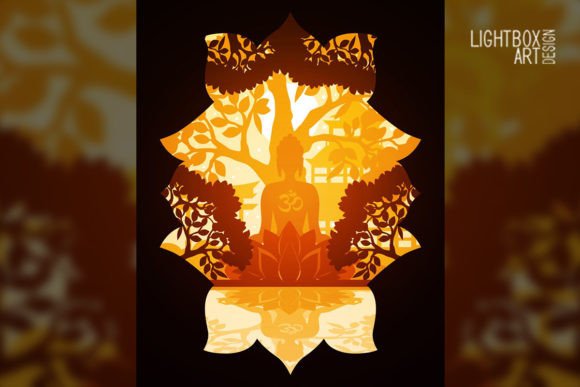
Creating a serene, illuminated focal point for a room doesn't always require expensive gallery art or complex carpentry skills. The Buddha Lightbox template offers a structured approach to paper cutting that bridges the gap between digital design and tangible craftsmanship. This isn't just a picture; it is an eight-layer architectural assembly that transforms flat paper into a three-dimensional scene with depth and shadow. When backlit with RGB LEDs, the intricate cutouts create a glowing meditation aid or decorative piece that feels significantly more substantial than its paper components suggest.
For creators and hobbyists, the value lies in the comprehensive digital package. You aren't guessing at layer spacing or designing silhouettes from scratch. The download includes a complete ecosystem of files: SVG and DXF for cutting machines like Cricut or Silhouette, AI and CDR for vector editing, and PDF/JPG for manual cutting or reference. The inclusion of a dedicated tutorial instruction text file ensures that even those new to layered lightboxes understand the assembly logic. Each of the eight layers is sized at 8×11 inches (21×29 cm), a standard dimension that makes sourcing paper and frames straightforward without requiring custom fabrication.
Where and Why This Project Fits Into Modern Spaces
The application of a Buddha Lightbox extends far beyond simple decoration. In an era where digital screens dominate our attention, physical objects that encourage mindfulness have found a specific niche in both residential and professional environments. The soft, diffused light emitted through multiple layers of 200–250 gsm paper creates a natural diffusion filter that is gentle on the eyes, making it functionally different from standard lamps or neon signs.
In home settings, this lightbox often serves as an anchor for meditation corners or yoga spaces. The visual complexity of the eight layers draws focus without demanding active engagement, supporting a state of relaxed awareness. For parents or educators, it can function as a calming sensory tool in quiet rooms or reading nooks. Unlike bright overhead lighting, the warm glow signals a transition to rest or reflection time, helping to regulate circadian rhythms in bedrooms or therapy offices.
Commercially, small business owners and wellness practitioners use these lightboxes to establish atmosphere. Yoga studios, massage therapy clinics, and holistic health centers utilize them to signal safety and tranquility to clients immediately upon entry. Because the design files are digital, entrepreneurs running Etsy shops or local craft businesses can produce these units on demand. The ability to edit the AI or CDR files allows for customization—perhaps adding a studio logo or adjusting the color palette via the RGB LED strip to match specific branding or seasonal themes.
Realistic Use Cases Across Different Lifestyles
The Freelance Creator and Content Producer: For bloggers, streamers, or social media managers focused on wellness, aesthetics matter. A handmade Buddha Lightbox provides unique B-roll footage and background texture that stock photos cannot replicate. Documenting the build process itself generates content; showing the transition from digital SVG files to the final lit product demonstrates skill and patience, qualities that resonate with audiences tired of instant gratification culture.
Educators and Workshop Leaders: Teaching patience and precision is difficult in a fast-paced classroom. This template serves as an excellent intermediate project for art classes or maker spaces. The eight-layer structure requires students to follow sequential instructions, manage material tolerances, and understand positive/negative space. Because the files include DXF and SVG formats, it also introduces students to the workflow between digital design software and fabrication hardware, a valuable skill set in modern vocational training.
Gift Givers and Personal Hobbyists: Mass-produced gifts often lack sentiment. Constructing a lightbox specifically for someone’s meditation practice or home decor shows a level of care that purchasing off a shelf cannot convey. The RGB LED component adds interactivity, allowing the recipient to adjust the mood lighting to their preference. For the maker, the repetitive nature of cutting and assembling foam board spacers can be meditative in itself, offering a tactile break from keyboard-heavy workdays.
Material Considerations Before You Start
Success with the Buddha Lightbox depends heavily on material selection. While the digital files are precise, physical materials have variables that software cannot account for. Understanding these nuances prevents frustration during the assembly phase.
- Paper Weight Matters: The specification of 200–250 gsm is not arbitrary. Lighter paper (below 180 gsm) may warp when exposed to the heat of LEDs or fail to hold crisp edges when cut. Heavier cardstock (above 300 gsm) blocks too much light, reducing the glowing effect and making hand-cutting exhausting. Stick to the recommended range for optimal translucency and structural integrity.
- Cutting Method Reality Check: While laser cutters provide perfect edges, they can scorch white paper, leaving brown marks that ruin the pristine aesthetic. If using a laser, test power settings on scrap pieces first. Art knives require sharp blades; changing blades every few layers is necessary to prevent tearing. Cutting machines offer a middle ground but require proper mat adhesion to prevent shifting during the eight separate cuts.
- Foam Board Spacers: The depth between layers creates the 3D effect. Do not substitute foam board with cardboard if possible; cardboard compresses over time and lacks the clean, matte black or white finish that enhances shadow contrast. Consistent spacer thickness is vital; uneven spacing makes the final image look distorted when lit.
- Lighting Choice: RGB LED strips with external power supplies are preferred over battery-operated options. Batteries drain quickly with eight layers of paper filtering the light, and replacing them inside a sealed shadow box is impractical. Ensure your LED strip has a high Color Rendering Index (CRI) if you want the colors to appear vibrant rather than washed out through the paper layers.
Navigating the Digital Files Effectively
The ZIP file contains multiple formats because users have different workflows. If you are printing directly onto paper to cut by hand, the PDF files are your primary resource. They maintain scale accurately across different printers. However, always verify the print size against a ruler before cutting all eight layers; printer margins can sometimes shrink the output slightly.
For those using vector software to modify the design before cutting, the AI and CDR files provide editable paths. This is particularly useful if you need to resize the entire project for a non-standard frame or wish to simplify intricate details for thicker paper. The SVG and DXF files are optimized for fabrication machines. Before sending these to your cutter, check that all paths are closed and that layers are separated correctly. The included Tutorial Instruction.txt file often contains specific notes about which lines are cut lines versus score lines, preventing costly material waste.
Making the Decision to Build
Before downloading or purchasing this template, honestly assess your available time and workspace. Assembling an eight-layer lightbox is a multi-hour commitment that requires a clean, flat surface and organized storage for loose parts. It is not a quick craft; it is a mini-engineering project. If you are looking for instant decor, a printed poster might be better. But if you value the process of creation and want an object that embodies patience and intention, the Buddha Lightbox delivers.
Consider also the end environment. Paper art is sensitive to humidity and direct sunlight. While the shadow box offers some protection, placing this piece in a steamy bathroom or a window with harsh afternoon sun will degrade the paper and fade the colors over time. Plan the installation location before you begin gluing. Ultimately, this project connects digital precision with analog warmth, offering a satisfying counterbalance to our increasingly virtual lives. Whether used as a commercial product, a teaching tool, or a personal sanctuary builder, it rewards careful attention with lasting beauty.