Layered Pride Heart: A 3D Rainbow Design Guide
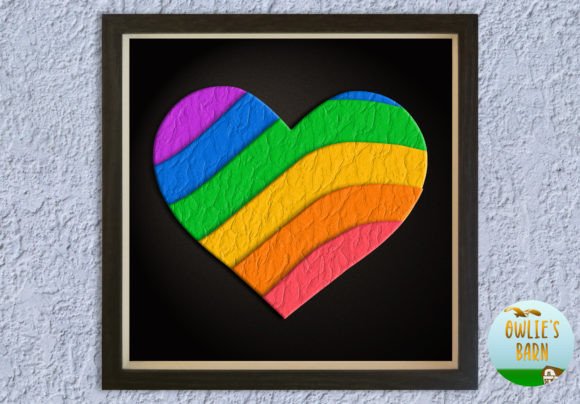
Thank you for your interest in this design. Creating meaningful, dimensional art requires files that are both versatile and easy to manage, which is exactly what the Layered Pride Heart offers. This project is a vibrant, six-layer composition representing the traditional Pride rainbow spectrum. Unlike flat vinyl decals or simple printouts, this design is engineered specifically for depth. By stacking individual color layers with adhesive or foam spacers, you transform a two-dimensional vector file into a striking three-dimensional object that catches light and shadow.
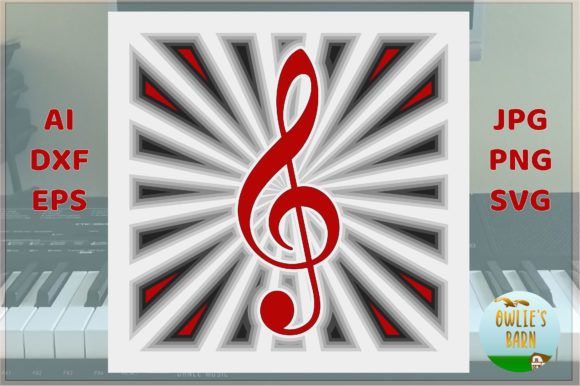
The true value of this digital asset lies in its comprehensive file structure. Whether you are operating a laser engraving business, teaching a classroom craft, or decorating your own home for Pride Month, having the right format prevents technical headaches. The downloadable ZIP includes AI 2020, DXF, EPS, SVG, JPG, and transparent PNG files. Crucially, these formats display the layers both as a unified whole and as separate components. This dual-view approach simplifies the workflow for cutting machines and printing software, ensuring that every user can visualize the final assembly before committing materials.
Understanding the Six-Layer Construction
The anatomy of this design relies on precision. Each of the six colors corresponds to a specific tier of the heart, creating a cascading visual effect. When assembled correctly, the result is a professional-grade piece of decor that feels substantial in the hand. The design accounts for alignment, but the method of attachment changes the final aesthetic significantly.
For a sleek, modern look, many creators choose to glue the layers directly together using craft adhesive or spray mount. This creates a solid block of color with crisp edges, ideal for smaller items like keychains, cake toppers, or greeting cards where bulk is a concern. Alternatively, using foam spacers or double-sided tape between each layer introduces physical separation. This gap allows shadows to form between the red, orange, yellow, green, blue, and violet tiers, enhancing the 3D effect and making the heart appear to float against its background. This spaced version is particularly effective for wall art, window displays, or larger signage where viewing distance makes depth perception more dramatic.
File Formats and Practical Application
Navigating digital design files can be daunting for beginners, but this package removes the guesswork. Understanding which file to use for your specific equipment is essential for a smooth production process.
- SVG Files: These are the industry standard for electronic cutting machines like Cricut and Silhouette. The ZIP contains a dedicated folder with individual SVGs for each layer, meaning you do not have to manually ungroup or separate colors in your design software. Simply load the specific color file you need to cut.
- DXF Files: Essential for users of older cutting machine models or specialized CAD software that does not natively support SVG. These line-art files ensure clean cuts without formatting errors.
- AI 2020 and EPS: Vector formats designed for professional designers using Adobe Illustrator or CorelDRAW. These allow for infinite scaling and customization, such as adding text, changing fonts, or modifying the heart shape while maintaining perfect curves.
- PNG and JPG: Raster images included for visualization and digital use. The transparent PNG is perfect for mockups, social media posts, or listing photos if you sell the finished physical product. It allows you to showcase the layered effect digitally without needing to photograph a prototype immediately.
Creative Uses for Personal and Commercial Projects
The versatility of the Layered Pride Heart extends far beyond simple decoration. For small business owners and Etsy sellers, this design serves as an excellent base product for seasonal inventory. Because the files are organized for efficiency, you can batch-cut layers in different material types to create varied product lines from a single design source. Consider producing acrylic versions for high-end gifts, cardstock versions for affordable party favors, or wood veneer iterations for rustic aesthetics.
Educators and community organizers also find significant utility in this layered approach. In classroom settings, the separated layers can serve as a collaborative art project where students assemble individual pieces to learn about color theory, spatial reasoning, and LGBTQ+ history simultaneously. For non-profits and event coordinators, large-scale foam board versions make impactful photo backdrops or stage props. The ability to scale the vector files without losing quality means the same design works equally well on a lapel pin or a six-foot banner.
For hobbyists and individuals celebrating their identity, the project offers a meditative building process. Assembling the layers by hand provides a tactile connection to the symbol. Customization is also straightforward; because the layers are distinct, you can easily swap out a specific color to represent different flags within the Pride community, such as the Transgender or Bisexual palettes, simply by recoloring the vector paths in your editing software.
Material Selection and Assembly Tips
Before starting your build, consider how material thickness interacts with the six-layer design. If you plan to use spacers, thinner materials like 65lb cardstock or vinyl work best to prevent the final piece from becoming excessively heavy or bulky. Conversely, if gluing layers directly, you can utilize thicker substrates like chipboard, basswood, or 3mm acrylic for a robust finish.
Alignment is the most common challenge in layered projects. To ensure success, utilize registration marks if your cutting machine supports them, or create a simple jig from scrap material to guide placement during assembly. For those using the individual SVG folder, label your cut pieces immediately after removing them from the mat. While the rainbow order is intuitive, keeping track of similar shades prevents accidental inversion during the gluing phase.
Color accuracy matters when representing Pride symbols. Digital screens often display colors differently than physical media. Always test print or cut a small swatch of your chosen material to verify that the red, orange, yellow, green, blue, and violet hues match your expectations and the intended flag specifications. The included JPG reference serves as a helpful visual guide, but physical material properties like texture and sheen will ultimately dictate the final appearance.
Maximizing Value from Your Download
This design package was created to respect your time and creative energy. By providing both composite and separated views across multiple formats, we eliminate the tedious prep work that often discourages makers from attempting complex layered projects. The inclusion of AI 2020 files ensures long-term compatibility for professionals, while the pre-separated SVGs offer immediate accessibility for casual users.
Whether you are creating merchandise for a local pride parade, designing educational resources, or simply expressing personal joy through crafting, the Layered Pride Heart adapts to your needs. Remember to check licensing terms regarding commercial use if you plan to sell finished goods, and always credit the original designer when sharing your creations online. With the right preparation and materials, this six-layer design transforms from a digital file into a powerful, tangible statement of celebration and inclusivity.