Evaluating Pillow Boxes Bunny D.23: A Practical Guide to Printable Party Packaging
When planning events or organizing small-scale retail packaging, the choice of container often dictates the presentation quality and logistical ease. Pillow Boxes Bunny D.23 represents a specific niche within printable packaging: a compact, digital-first solution designed for immediate customization and assembly. Unlike pre-manufactured bulk boxes that require minimum order quantities and long lead times, this set of six tiny pillow box templates offers an on-demand approach to gift-giving and party favors. For adults managing budgets, timelines, and aesthetic requirements, understanding the functional specifications and tradeoffs of this digital asset is essential before committing to the print-and-assemble workflow.
Technical Specifications and Capacity Constraints
The primary decision factor for any packaging template is dimensional accuracy. Pillow Boxes Bunny D.23 is engineered with precise metrics that define its utility. The finished box features an outer edge length of 7cm, a center length of 5.5cm, a width (breadth) of 4.5cm, and a height of 1.8cm. These dimensions place it firmly in the "micro-favor" category.
When comparing this size to standard retail options, it is crucial to recognize the volume limitations. A height of only 1.8cm means these boxes are unsuitable for bulky items like cupcakes, large cookies, or standard-sized soap bars. Instead, they are optimized for flat or low-profile contents:
- Confectionery: Jelly beans, chocolate coins, mints, or wrapped caramels.
- Jewelry: Small stud earrings, rings, or delicate chains.
- Paper Goods: Confetti, gift tags, or folded notes.
- Craft Supplies: Beads, buttons, or sewing notions.
If your intended contents exceed 1.8cm in thickness, Pillow Boxes Bunny D.23 will not function correctly, regardless of the paper weight used. In such cases, searching for templates with a deeper gusset or a different structural style, such as a gable box or tuck-end carton, would be a more appropriate alternative.
Digital Templates Versus Pre-Manufactured Alternatives
Selecting between a printable JPEG template and purchasing physical boxes involves evaluating three core variables: cost per unit, labor investment, and customization flexibility.
Cost Efficiency at Low Volumes
For small gatherings or limited product runs, Pillow Boxes Bunny D.23 offers significant economic advantages. Commercial packaging suppliers often enforce minimum orders of 50 to 100 units. If you only need two dozen favors for a bridal shower, buying bulk results in waste and unnecessary expense. The digital format eliminates this overhead, allowing you to print exactly the quantity required plus a few spares for errors. However, this cost benefit diminishes at scale. Printing 200+ boxes individually consumes substantial ink and premium paper, potentially making wholesale purchasing more economical for larger events.
Labor and Time Investment
The tradeoff for lower upfront cost is manual labor. Each Pillow Boxes Bunny D.23 unit requires printing, cutting, folding, gluing, and filling. The assembly instructions specify gluing the sides and bottom while leaving the top open for filling, secured later with stickers or tape. This process is manageable for sets of six to twenty but becomes a significant time commitment for larger quantities. When evaluating this option, honestly assess your available preparation time. If labor hours have a high opportunity cost for you, pre-glued, pop-up commercial boxes may offer better overall value despite the higher sticker price.
Customization and Personalization
Where Pillow Boxes Bunny D.23 distinctly outperforms generic alternatives is in personalization potential. Because the file is digital, users can overlay text, adjust colors, or add logos using basic image editing software before printing. This allows for cohesive branding or thematic matching that stock packaging cannot achieve without expensive custom printing fees. For wedding planners or boutique owners requiring specific color coordination, this flexibility justifies the additional assembly effort.
Print Quality and Color Management Considerations
A critical aspect of evaluating digital packaging assets is understanding the gap between screen display and physical output. The product documentation explicitly warns that color printing quality varies due to monitor and printer calibration differences. This is not merely a disclaimer; it is a fundamental technical reality of desktop publishing.
Screens use additive RGB color, while printers use subtractive CMYK ink or toner. Vibrant neon or deep saturated colors viewed on a backlit monitor often appear muted or shifted when printed. To mitigate this risk when using Pillow Boxes Bunny D.23:
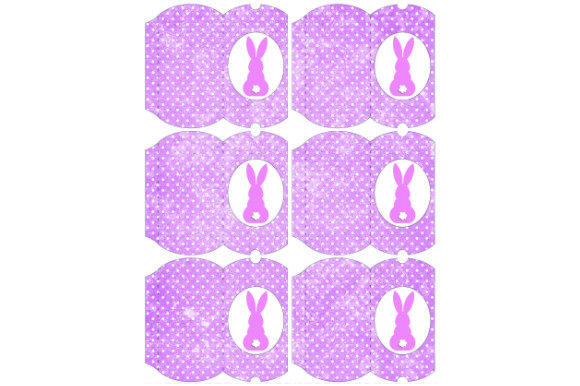
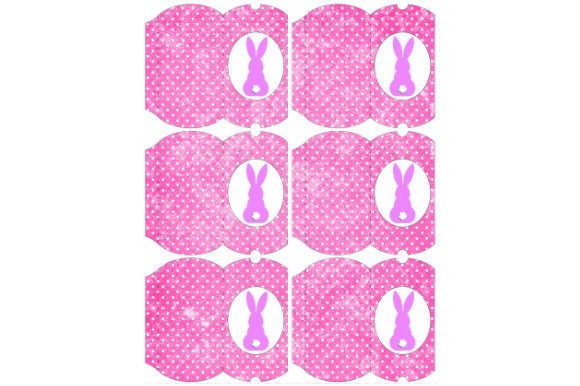
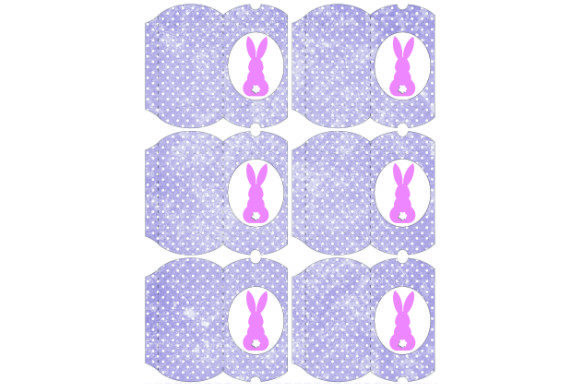
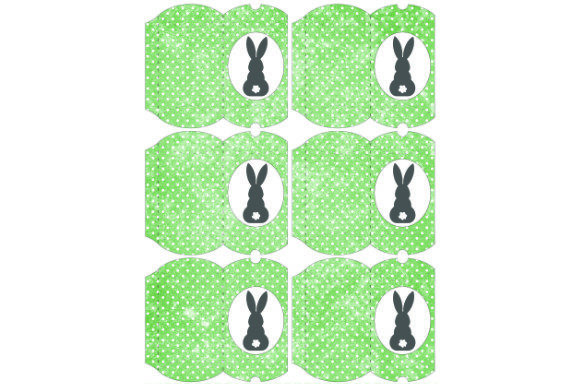
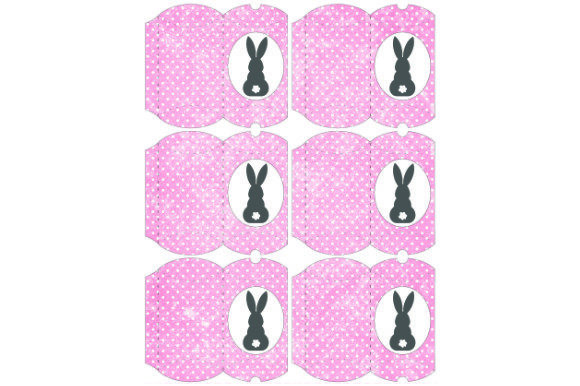
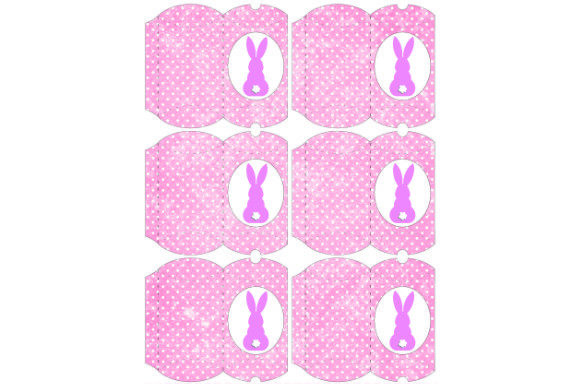
- Test Print First: Never print the entire batch without a prototype. Verify that the bunny illustration and background colors meet your aesthetic standards.
- Paper Selection Matters: The final appearance depends heavily on substrate. Matte cardstock absorbs ink differently than glossy photo paper. Uncoated cardstock typically provides a softer, more craft-appropriate finish for pillow boxes, while glossy paper enhances color vibrancy but can make folding difficult due to surface slickness.
- Resolution Awareness: The file is provided as a high-resolution 300 DPI JPEG. This is sufficient for crisp printing at the specified 7cm size. Avoid upscaling the image beyond its native dimensions, as this will introduce pixelation and blur.
If color accuracy is paramount and you lack professional printing equipment, consider taking the high-resolution file to a local print shop rather than relying on a home inkjet printer. Professional machines offer superior color consistency and can handle heavier cardstock weights that create a more premium structural feel.
Assembly Best Practices and Structural Integrity
The durability of a handmade pillow box depends entirely on construction technique. While the design includes fold lines, achieving clean, professional results requires attention to detail during assembly.
Scoring Before Folding: Simply folding cardstock along a printed line often results in cracking or uneven creases. Use a bone folder, empty ballpoint pen, or scoring tool to create a physical indentation along all fold lines before bending. This ensures crisp edges and prevents the paper fibers from breaking visibly.
Adhesive Selection: The instructions recommend glue for sides and bottom. For cardstock, liquid craft glue can cause warping due to moisture content. Double-sided tape runners or glue dots often provide cleaner, faster bonds without dimensional distortion. Reserve liquid glue only if using very heavy paper that requires extended open time for positioning.
Closure Security: Since the top remains open for filling, the closure method affects both security and presentation. Stickers offer decorative value but may not hold if the box is overfilled. Clear tape is secure but visible. For a refined finish, consider using translucent washi tape or coordinating sealing wafers that complement the Bunny D.23 aesthetic while maintaining functionality.
Determining Fit: When to Choose This Option
Pillow Boxes Bunny D.23 serves a specific user profile and use case. It is the right choice when:
- You require fewer than 50 units and want to avoid bulk purchasing.
- Your contents are small, flat, and lightweight (under 1.8cm thick).
- You possess basic crafting tools and have allocated time for assembly.
- Customization or theme matching is a priority over convenience.
- You are comfortable managing color variation between digital and physical outputs.
Conversely, explore alternative solutions when:
- You need hundreds of identical units with guaranteed color consistency.
- Your gifts are three-dimensional, heavy, or fragile.
- Assembly time exceeds your available bandwidth.
- You lack access to a printer capable of handling cardstock at 300 DPI.
By weighing these practical factors against your specific project requirements, you can determine whether this printable template aligns with your packaging goals or whether a different format would serve your needs more effectively. The value of Pillow Boxes Bunny D.23 lies not in being a universal solution, but in offering accessible, customizable packaging for precisely defined small-scale applications.