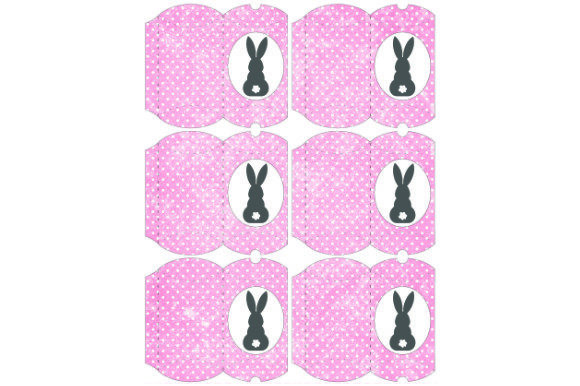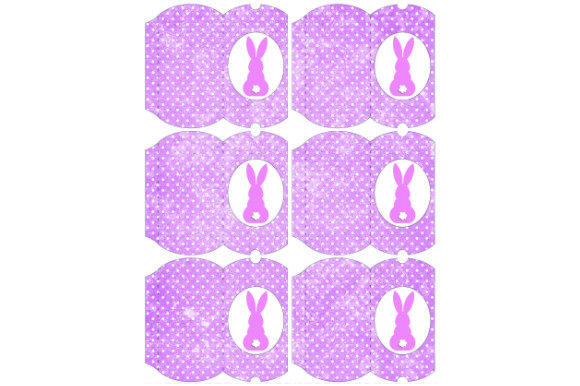
Evaluating Pillow Boxes Bunny D.16: A Practical Guide to Printable Favor Packaging
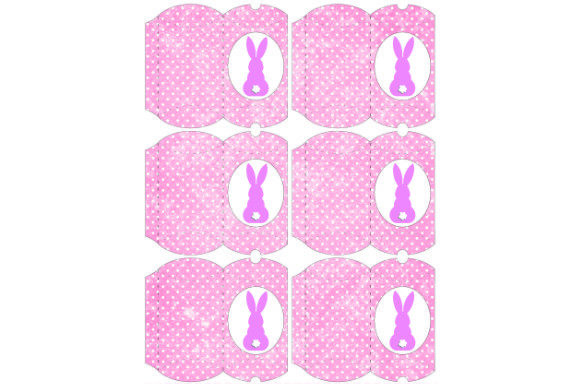
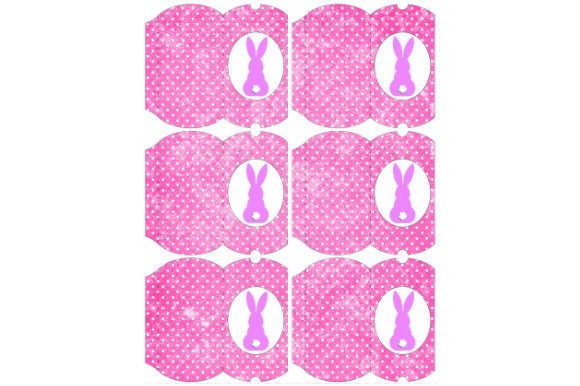
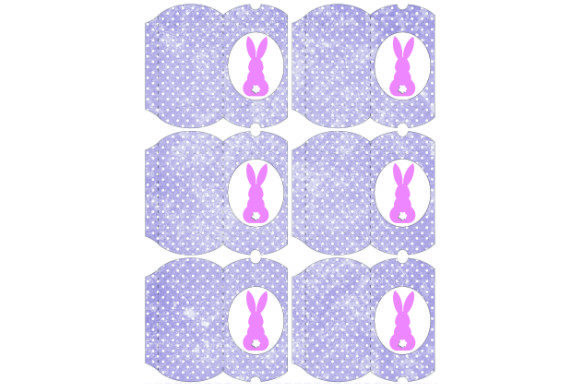
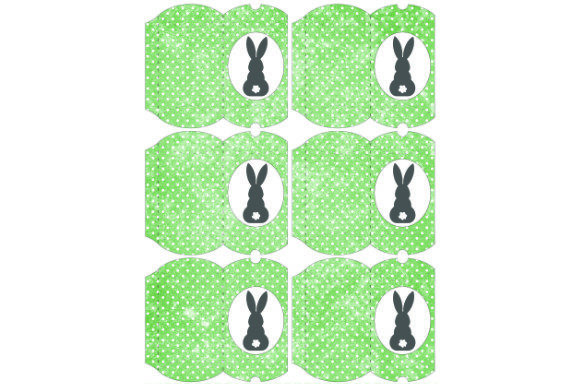
When planning events or organizing small-scale retail packaging, the choice between pre-manufactured containers and printable templates often dictates both the budget and the aesthetic outcome. Pillow Boxes Bunny D.16 represents a specific category of digital DIY packaging designed for users who require precise dimensions and thematic consistency without the lead time associated with custom printing services. This set of six tiny, printable pillow boxes serves as a functional solution for gift-giving occasions, party favors, and product sampling. However, understanding where this specific format fits within the broader landscape of packaging options requires an analysis of its physical limitations, assembly requirements, and comparative advantages against standard commercial alternatives.
Defining the Specifications and Physical Constraints
Before committing to a printable template like Pillow Boxes Bunny D.16, it is essential to evaluate whether the physical dimensions align with your intended contents. Unlike generic "small box" descriptions, this template offers exact metrics that determine its utility. The finished box features an outer edge length of 7cm, a center length of 5.5cm, a width of 4.5cm, and a height of 1.8cm.
These measurements place the Pillow Boxes Bunny D.16 firmly in the "micro-favor" category. When comparing this to standard retail pillow boxes, which often exceed 10cm in length, this template is significantly more compact. This distinction is critical for decision-making:
- Ideal Fit: Single macarons, small jewelry items (earrings or rings), folded banknotes, USB drives, confetti portions, or individually wrapped hard candies.
- Poor Fit: Standard cupcakes, large soap bars, multi-piece candy sets, or bulky promotional merchandise.
The 1.8cm height is the most restrictive dimension. Users evaluating this option must measure their specific items before printing. While the aesthetic appeal of the bunny design is high, the functional volume is low. For event planners comparing favor options, this size suggests a "token" gift rather than a substantial takeaway, making it best suited for weddings, bridal showers, or baby showers where the gesture matters more than the volume.
Printable Templates vs. Pre-Manufactured Alternatives
The primary decision factor for most users is choosing between downloading Pillow Boxes Bunny D.16 or purchasing pre-made boxes. Both approaches have distinct tradeoffs regarding cost, quality, and labor.
Cost Efficiency at Scale
For small batches (under 50 units), printable templates generally offer superior cost efficiency. You are paying only for paper and ink, whereas pre-manufactured boxes often carry minimum order quantities and shipping fees that inflate the per-unit cost for small runs. However, as volume increases beyond 100 or 200 units, the economics shift. Commercial offset printing reduces the per-unit cost dramatically, while home printing maintains a linear cost curve. If you require 300+ identical boxes, Pillow Boxes Bunny D.16 may become less economical when factoring in ink consumption and paper waste compared to bulk wholesale options.
Labor and Time Investment
Pre-made boxes arrive flat but pre-cut and scored, requiring only folding and gluing. Pillow Boxes Bunny D.16 requires the user to handle the entire production chain: printing, cutting, scoring, folding, and adhering. For a set of six boxes, this is a manageable craft project. For a wedding with 150 guests, this translates to significant manual labor. Users must realistically assess their available time. If you lack access to a precision paper trimmer or bone folder, the finish quality of a DIY box will inevitably be lower than a machine-produced alternative.
Customization and Flexibility
Where Pillow Boxes Bunny D.16 outperforms generic stock boxes is in immediate customization. Because the file is digital, users can adjust printer settings to match specific color themes or print on varied media types. Pre-made boxes lock you into specific colors and finishes. If your event palette changes or you need to test different paper weights (e.g., matte vs. glossy cardstock), the printable format allows for rapid prototyping that physical inventory cannot match.
Technical Considerations for Print Quality
A common point of friction with digital packaging assets is the discrepancy between screen appearance and physical output. Pillow Boxes Bunny D.16 is provided as a high-resolution 300 DPI JPEG file. While this resolution is sufficient for crisp lines and solid colors, users must manage expectations regarding color fidelity.
Screens use RGB (light-based) color profiles, while printers use CMYK (ink-based) profiles. Vibrant neon or highly saturated colors viewed on a monitor may appear muted or shifted when printed. Furthermore, home inkjet printers and commercial laser printers interpret color data differently. To mitigate this risk when using Pillow Boxes Bunny D.16:
- Always Print a Test Sheet: Never print the full batch without verifying color accuracy on your chosen paper stock.
- Paper Selection Matters: Coated cardstock will yield vibrant results closer to the screen image, while uncoated or textured paper will absorb ink and soften the design. The 1.8cm height tolerance also means thick paper may be difficult to fold cleanly; 160–200 gsm cardstock is typically the optimal range for this size.
- Monitor Calibration: Be aware that uncalibrated monitors can be deceptive. If color matching is critical for brand consistency or wedding decor, consider having the file printed professionally rather than relying on home equipment.
Assembly Best Practices and Structural Integrity
The structural success of Pillow Boxes Bunny D.16 depends entirely on user execution. Because the box is small, tolerance for error is minimal. A crooked cut or excessive glue can render the box unusable. Evaluating your own crafting skill level is part of the selection process.
Cutting and Scoring: Clean edges are non-negotiable for professional-looking favors. Using a metal ruler and craft knife or a dedicated paper trimmer is recommended over scissors. Scoring the fold lines lightly before folding prevents paper cracking, especially on darker cardstocks where white fiber cores become visible upon bending.
Adhesion Strategy: The instructions specify gluing the sides and bottom while leaving the top open. For a box of this size, liquid glue can cause warping due to moisture absorption. Double-sided tape runners or glue dots often provide a cleaner, flatter bond for tiny surface areas. The top closure is designed to be secured with stickers or tape after filling, allowing for last-minute adjustments to contents.
Decoration Integration: The design accommodates external embellishments like ribbon, lace, or buttons. However, given the 4.5cm width, bulky decorations can overwhelm the box. When comparing styling options, flat elements (washi tape, printed labels) maintain the box's structural integrity better than heavy dimensional flowers that might prevent the box from sitting flat on a table.
Determining Suitability for Your Specific Needs
Pillow Boxes Bunny D.16 is not a universal solution; it is a specialized tool for specific scenarios. Determining whether it is the right choice involves weighing several factors against your project goals.
Choose this template if:
- You need a cohesive theme across digital invitations and physical favors.
- Your budget is limited, but you desire a custom look.
- The contents are lightweight and fit strictly within the 7cm x 4.5cm x 1.8cm envelope.
- You enjoy the crafting process and have the necessary tools for precision assembly.
- You require a small number of units and want to avoid minimum order quantities.
Consider alternatives if:
- You need to package items thicker than 1.8cm or heavier than a few ounces.
- You require hundreds of identical units with zero variation in color or cut quality.
- Time is scarce and manual assembly would create undue stress.
- The packaging must withstand shipping or rough handling (home-printed cardstock is generally less durable than commercial corrugated or coated board).
Final Evaluation Factors
Ultimately, Pillow Boxes Bunny D.16 offers a balance of accessibility and specificity. It bridges the gap between generic store-bought favors and expensive custom packaging. By providing a high-resolution, dimensionally precise template, it empowers users to create professional-grade micro-packaging at home. However, the success of this product relies heavily on the user’s ability to manage print variables and execute precise assembly.
When researching packaging options, treat this template as one data point in a broader comparison. Measure your contents, calculate your true per-unit cost including ink and paper, and honestly assess your labor capacity. For those whose needs align with its compact footprint and DIY nature, Pillow Boxes Bunny D.16 provides a charming, cost-effective vessel for candies, treats, and small tokens of appreciation. For others, recognizing its limitations early saves time and resources, guiding them toward more suitable industrial or commercial packaging solutions.