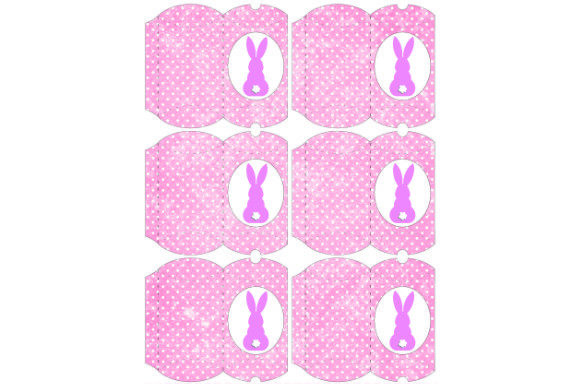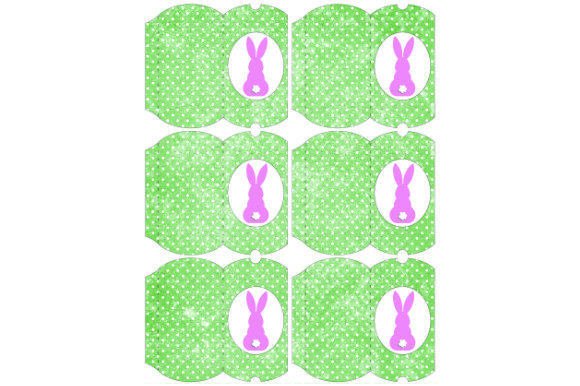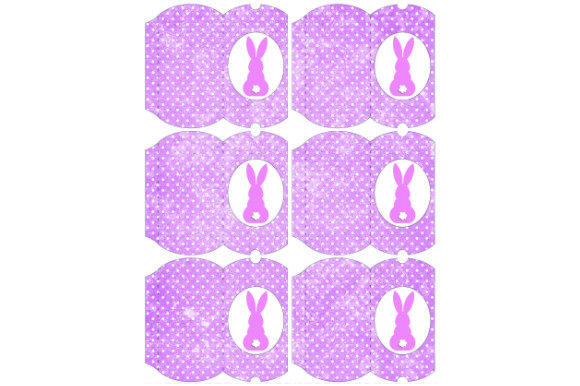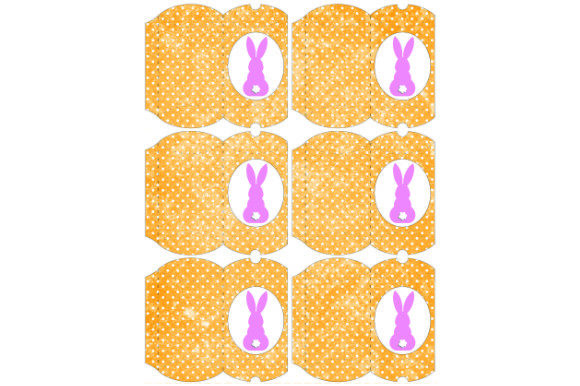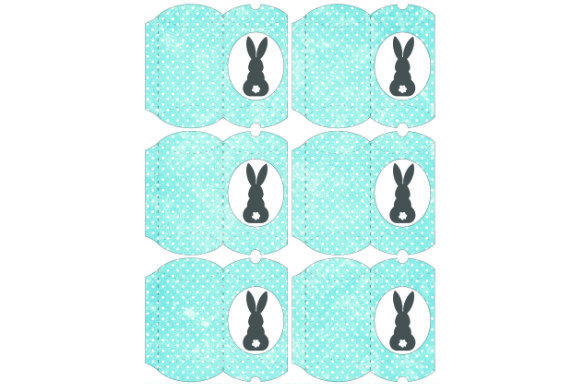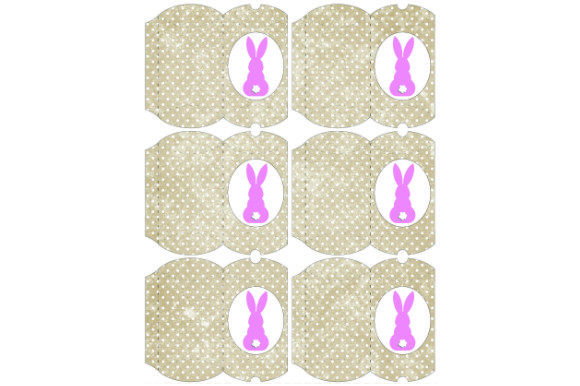
Evaluating Pillow Boxes Bunny D.2 for Professional Packaging Needs
In the realm of small business packaging, event planning, and creative merchandising, the presentation of a product is often as critical as the item itself. Pillow Boxes Bunny D.2 represents a specific category of digital packaging assets designed to bridge the gap between professional branding and accessible DIY production. This printable template offers a practical solution for creators, educators, and entrepreneurs who require high-quality, small-scale packaging without the logistical burden of bulk manufacturing orders. Understanding the utility of this asset requires looking beyond its aesthetic appeal to evaluate its functional specifications, production requirements, and real-world application in professional workflows.
Technical Specifications and Print Integrity
The primary value proposition of any printable packaging template lies in its technical fidelity. Pillow Boxes Bunny D.2 is supplied as a single high-resolution JPEG file at 300 DPI (dots per inch). For professionals accustomed to print production, this resolution is the industry standard for crisp edges and clear color saturation. When producing packaging that will be handled physically by customers or guests, pixelation or blurring can inadvertently signal low quality. The 300 DPI specification ensures that the "Bunny D.2" design elements remain sharp even when printed on textured cardstock or matte paper.
However, users must approach color management with professional diligence. As noted in the product parameters, color printing quality varies significantly based on monitor calibration and printer profiles. A screen displays colors using additive RGB light, while printers use subtractive CMYK ink or toner. Consequently, the vibrant hues seen during digital editing may shift upon physical output. Professionals utilizing Pillow Boxes Bunny D.2 should perform test prints on their intended paper stock before committing to a full production run. This step is essential for verifying color accuracy and ensuring the fold lines align correctly with the cut boundaries. The reliability of the final product depends entirely on the user’s ability to manage these hardware variables.
Dimensional Analysis and Capacity Constraints
Functionality in packaging is dictated by geometry. The approximate dimensions of the assembled Pillow Boxes Bunny D.2 are precise: an outer edge length of 7cm, a center length of 5.5cm, a width of 4.5cm, and a height of 1.8cm. These metrics define the asset's use case strictly as a micro-packaging solution. With an internal volume suited for items no thicker than 1.8cm, this box is engineered specifically for confectionery, jewelry, confetti, or small promotional tokens.
For marketers and small business owners, understanding these constraints prevents costly mismatches between packaging and product. This size profile is ideal for:
- Jewelry and Accessories: Perfect for earrings, rings, or hair clips where the flat profile accommodates display cards.
- Confectionery Sampling: Suitable for macarons, truffles, or candy bars as part of a larger gift set or favor.
- Event Confetti: The sealed pillow shape prevents spillage better than open-top alternatives during transport.
- Digital Product Tokens: Ideal for holding USB drives, QR code cards, or discount vouchers for customer retention campaigns.
It is crucial to recognize what this box cannot hold. It is not suitable for bulky items, standard cupcakes, or products requiring significant structural protection against crushing. The 1.8cm height limitation makes it a specialized tool rather than a universal packaging solution. Evaluating your inventory against these dimensions is the first step in determining if Pillow Boxes Bunny D.2 aligns with your operational needs.
Assembly Workflow and Production Efficiency
Time is a tangible cost for freelancers and business owners. While printable boxes eliminate shipping wait times, they introduce labor costs associated with assembly. The workflow for Pillow Boxes Bunny D.2 follows a standard print-cut-fold-glue sequence. The design includes designated fold lines and glue tabs, which streamlines the construction process compared to freehand folding. However, producing a "Set of 6 tiny pillow boxes" manually requires a dedicated time investment.
To maintain efficiency and consistency across multiple units, professionals should adopt an assembly-line approach rather than completing one box at a time. Batch processing—cutting all six units first, then scoring all fold lines simultaneously, followed by gluing—significantly reduces handling time and improves uniformity. The instruction to leave the top open for filling and secure it with stickers or tape adds a layer of flexibility but also introduces a consumable cost. Users should factor in the price of adhesive closures and decorative embellishments like ribbon or lace when calculating the total unit cost. For large-scale events exceeding 50-100 favors, the labor intensity of manual assembly may outweigh the savings over pre-assembled commercial options. This asset is most effective for boutique runs, personalized gifts, or prototyping packaging concepts before investing in die-cut manufacturing.
Versatility Across Professional Verticals
The strength of Pillow Boxes Bunny D.2 lies in its adaptability across different professional sectors. Its neutral yet charming aesthetic allows it to function effectively in diverse contexts without appearing out of place.
Event Planning and Hospitality
For wedding planners and event coordinators, consistency in visual identity is paramount. These boxes serve as excellent confetti holders or place setting favors that can be customized to match a specific color palette through paper choice and ribbon selection. The small footprint allows them to fit easily into table settings or welcome bags without consuming excessive space. Because they are printable, last-minute additions or replacements can be produced instantly, mitigating the risk of vendor shortages.
Retail and E-Commerce Branding
Small business owners often struggle with the "unboxing experience" for low-cost add-on items. Using generic plastic baggies for small accessories can diminish perceived value. Pillow Boxes Bunny D.2 elevates small items to gift status. Entrepreneurs can use this packaging for "thank you" gifts included in larger orders, sample packs to encourage repeat purchases, or limited-edition seasonal treats. The ability to print on demand means storage space is minimized; you only produce what you need, reducing waste and inventory overhead.
Education and Creative Workshops
Educators and workshop facilitators can utilize these boxes as both packaging and a teaching tool. In art classes or crafting workshops, the assembly process teaches precision, following instructions, and fine motor skills. For teachers, they provide a professional way to distribute small rewards, holiday treats, or take-home project components to students and parents, reinforcing a positive classroom brand.
Material Selection and Customization Strategy
The final output quality of Pillow Boxes Bunny D.2 is heavily dependent on substrate selection. Standard copy paper (75-90 gsm) is generally insufficient for structural integrity; the box will lack rigidity and may warp. For professional results, cardstock ranging from 200 to 300 gsm is recommended. Heavier stock provides the necessary durability to protect contents and maintain the pillow shape under light pressure.
Customization extends beyond the digital file. Since the template is a base design, professionals should view it as a canvas. Adding tactile elements such as embossing, foil stamping, or textured paper can differentiate the packaging from standard home crafts. Furthermore, because the file is a JPEG, direct editing of the artwork is limited compared to vector formats. Users wishing to add logos or change text must either overlay graphics in a separate design program before printing or rely on post-print customization methods like stamps and labels. This limitation reinforces the need for strategic planning regarding how brand identity will be integrated into the physical package.
Assessing Value and Operational Fit
Pillow Boxes Bunny D.2 offers distinct advantages for specific operational scales. It excels in scenarios demanding agility, personalization, and low-volume production. The elimination of minimum order quantities and shipping delays provides immediate access to branded packaging, which is invaluable for pop-up markets, last-minute client gifts, or testing new product lines.
However, decision-makers must weigh the trade-offs realistically. The per-unit labor cost is higher than automated manufacturing, and color consistency requires active management. It is not a replacement for industrial packaging solutions but rather a complementary tool for niche applications. For professionals who value craftsmanship and have the infrastructure to support high-quality desktop printing, this template delivers excellent ROI. For those lacking reliable printing equipment or facing high-volume demands, outsourcing may remain the more prudent choice.
Ultimately, the effectiveness of Pillow Boxes Bunny D.2 is determined by the user’s alignment of expectations with capabilities. When utilized within its optimal scope—small batches, high-touch presentation, and controlled production environments—it serves as a versatile, cost-effective asset that enhances the tangible value of small goods and gestures. By treating the printing and assembly process with professional rigor, creators can transform a simple digital download into a polished component of their broader brand experience.