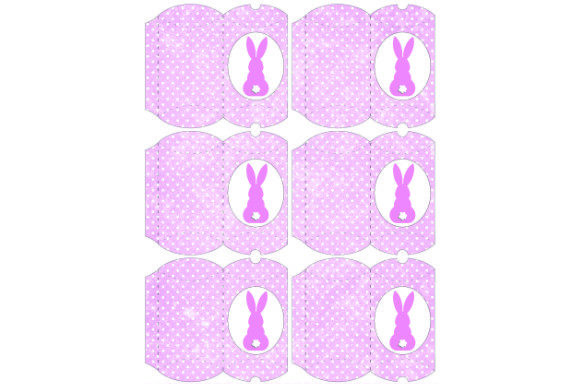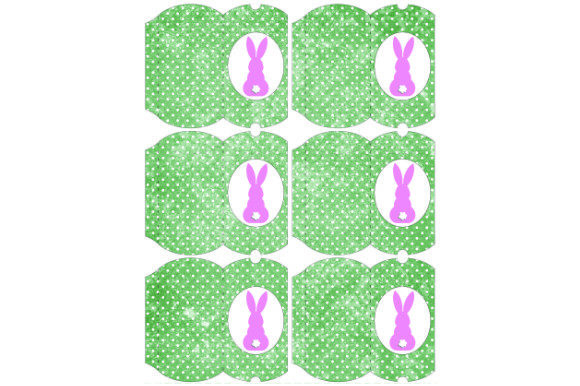
Pillow Boxes Bunny D.19: Printable Gift Packaging
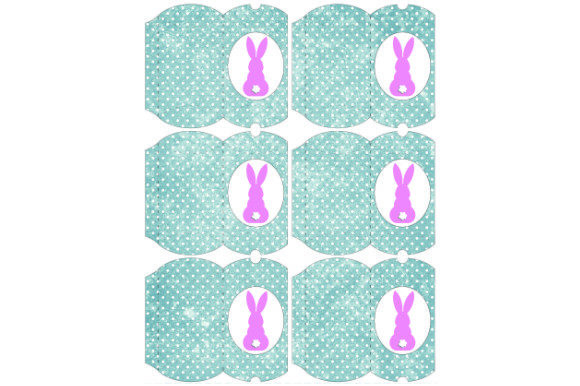
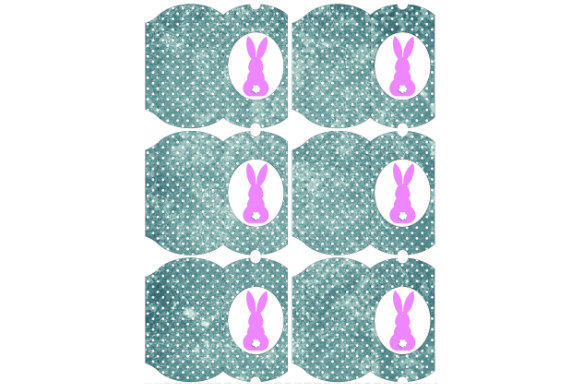
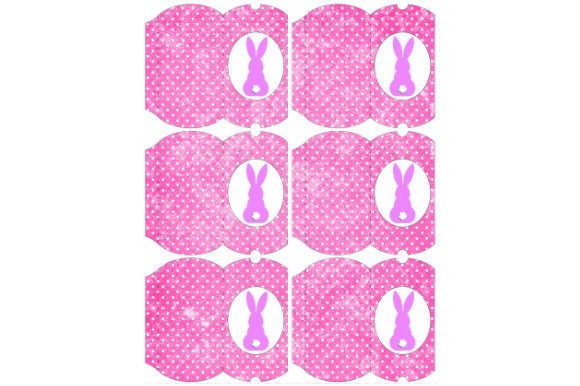
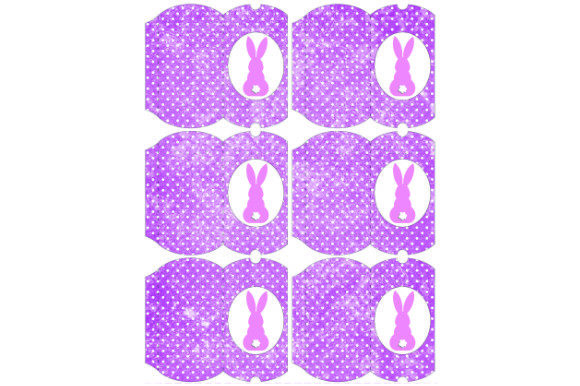
Elevating the presentation of small gifts and party favors often comes down to the details of the packaging. Pillow Boxes Bunny D.19 offers a charming, printable solution designed specifically for those who value handmade aesthetics without the need for expensive die-cutting equipment. This set includes six tiny pillow box templates featuring an adorable bunny design, making them an immediate favorite for spring celebrations, Easter gatherings, and children’s parties. However, their utility extends far beyond seasonal holidays. For anyone looking to add a personalized, whimsical touch to candies, jewelry, or confetti, these boxes provide a versatile canvas that bridges the gap between professional polish and homemade warmth.
Why Audience Needs Vary for Printable Packaging
While the physical product remains the same—a high-resolution JPEG template—the value proposition shifts significantly depending on who is holding the scissors. A parent preparing for a birthday party prioritizes speed and kid-friendly appeal, whereas a small business owner focuses on brand consistency and cost-per-unit. Understanding these distinct priorities helps determine if Pillow Boxes Bunny D.19 aligns with your specific project goals.
For Parents, Educators, and Hobbyists
For individuals creating treats for kids, students, or friends, the primary concerns are usually ease of use and visual delight. The bunny motif in Pillow Boxes Bunny D.19 serves as built-in decoration, eliminating the need for complex artistic skills or additional clip art. Beginners appreciate that the template handles the structural engineering; you simply print, cut along the lines, and fold. There is no guesswork involved in creating a box that actually closes properly.
Educators and camp counselors often find this format ideal for classroom rewards or activity kits. Because the boxes are small (approximately 7cm outer edge length), they are perfectly sized for individual portions of candy, stickers, or erasers. The assembly process itself can even serve as a fine motor skill activity for older children, turning packaging preparation into part of the event. For hobbyists, the low barrier to entry allows for experimentation. If a test print doesn't look right, the financial loss is negligible compared to buying pre-made retail packaging.
Considerations for Entrepreneurs and Event Professionals
Professionals, including bakers, jewelers, and event planners, evaluate printable assets through a lens of scalability and reliability. For a wedding planner needing 150 confetti holders, Pillow Boxes Bunny D.19 offers significant cost savings over custom-manufactured boxes. However, the trade-off is labor time. Professionals must weigh the savings against the hours required to cut and glue hundreds of units. Many solve this by using craft cutters compatible with JPEG tracing or by hiring assembly help, treating the digital file as a master template rather than a manual chore.
Brand alignment is another critical factor. While the bunny design is universally cute, it may not suit every corporate identity. Creative entrepreneurs often use this base template as a starting point, overlaying their own logos or adjusting colors in editing software before printing. The high-resolution 300 DPI specification is essential here; it ensures that even if the box is printed at full size, the edges remain crisp and the text legible. For businesses selling physical goods, the unboxing experience is part of the product value. These pillow boxes offer a boutique feel that generic poly bags cannot replicate, helping small brands compete on presentation quality.
Practical Assembly and Customization Guide
Regardless of your skill level, achieving a professional finish with Pillow Boxes Bunny D.19 requires attention to materials and technique. The approximate dimensions of the finished box are compact: an outer edge length of 7cm, center length of 5.5cm, width of 4.5cm, and height of 1.8cm. This size is optimized for lightweight items. Attempting to overfill them will result in bulging sides and difficulty closing the flaps.
- Paper Selection: Standard printer paper is generally too flimsy for gift packaging. Opt for cardstock ranging from 65lb to 80lb cover weight. This provides enough rigidity to hold the pillow shape while still being easy to fold without cracking.
- Cutting Precision: Clean edges define the difference between "homemade" and "handcrafted." Use a metal ruler and craft knife for straight cuts, and sharp scissors for curved tabs. Dull blades will fray the paper fibers, especially at the intricate corners of the pillow box flaps.
- Adhesive Choice: The instructions suggest gluing the sides and bottom. Double-sided tape or glue dots are often superior to liquid glue for this application, as they prevent warping and eliminate drying time. Liquid glue can cause the paper to buckle, which is particularly noticeable on smaller boxes.
- Closure Security: Leaving the top open allows for easy access, but securing it with a sticker, wax seal, or small piece of washi tape adds both security and decorative flair. This is also where personalization happens most easily without altering the original file.
Navigating Print Quality and Color Accuracy
One of the most common points of friction with any printable product is color variance. It is vital to understand that the Pillow Boxes Bunny D.19 file is calibrated for high-quality output, but your results depend entirely on your hardware. Monitors display images using RGB (light), while printers create images using CMYK (ink). This fundamental difference means colors on screen will almost always appear more vibrant than on paper.
To mitigate disappointment, always perform a test print on the exact paper stock you intend to use. Glossy paper tends to saturate colors, making the bunny design pop, while matte or textured paper creates a softer, more vintage aesthetic. Neither is inherently better; they simply serve different moods. If color matching is critical for your event theme, adjust your printer settings or edit the JPEG brightness/contrast before committing to a full batch. Remember that inkjet and laser printers render colors differently; inkjets generally offer better photo-like quality for illustrated designs, while lasers provide sharper text and faster drying times.
Determining If This Template Fits Your Project
Pillow Boxes Bunny D.19 is a specialized tool. It excels when you need a small quantity of highly specific, themed packaging and have the time to assemble it. It is less suitable for mass commercial production where automation is required, or for packaging heavy items that exceed the 1.8cm height limit.
For the creative individual, however, it represents freedom. It removes the minimum order quantities of professional printers and the design complexity of starting from scratch. Whether you are filling them with Jordan almonds for a baby shower, wrapping a delicate charm bracelet for a customer, or organizing sewing notions in a craft room, the value lies in the intersection of convenience and charm. By understanding the technical specifications and aligning them with your specific audience needs—be it educational, commercial, or celebratory—you can transform a simple JPEG file into a memorable tactile experience.